 Vietnamnet.vn

 Podcast



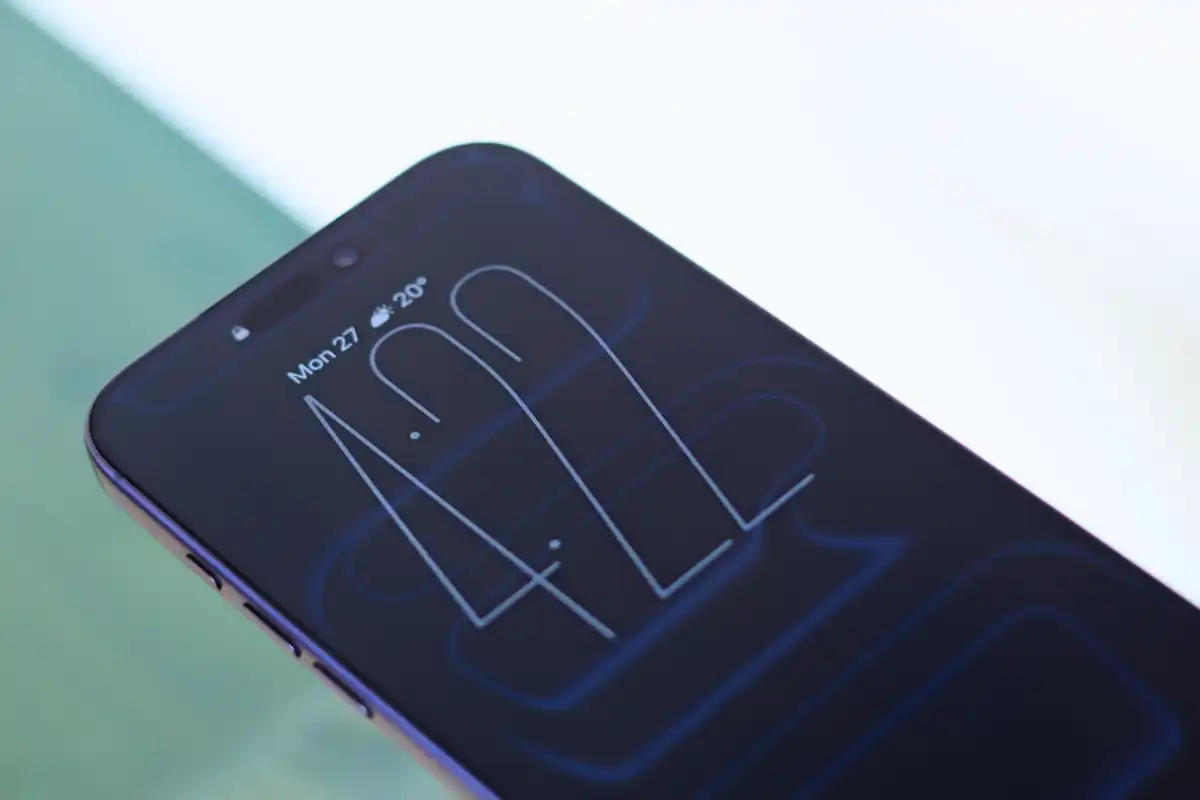
The following durability assessment is based on Macworld writer Mahmoud Itani’s experience with the iPhone 17 Pro Max. After using the phone without any protection from day one, Itani had a full year to assess how well Apple’s flagship held up.
Although his experience was with the iPhone 17 Pro Max, the observations can also offer insight into the iPhone 18 Pro and iPhone 18 Pro Max, as the two generations use similar aluminum frames and Ceramic Shield glass.
I have never dropped a smartphone in my life. Not once. That has made me increasingly confident about using an iPhone without a case or screen protector.
The chances of an accident seem too low to justify covering up the phone’s original design. That does not mean, however, that my devices escape the signs of aging entirely.
After months of daily use, even a phone that has never been dropped will typically develop microscopic scratches on its screen.
Some degree of battery degradation is also virtually unavoidable. It is part of the natural wear and tear that serves as a reminder that even the most premium devices are ultimately products that deteriorate over time.
The iPhone 17 Pro Max debuted in September 2025 with a range of significant changes inside and out. Apple switched to a new frame material, introduced its second-generation Ceramic Shield, increased battery capacity and improved thermal management, among other upgrades.
Those changes have had a noticeable impact on the iPhone’s durability - for better and for worse.
When I traded my iPhone 17 Pro Max for an iPhone 18 Pro Max last week, the store employee could hardly believe the device had been used for an entire year without a case or screen protector.
After closely inspecting the display and rear panel, the employee found only a few minor imperfections.
Aluminum chips more easily, but the back is tougher
The triple-camera array has long been a defining feature of Apple’s Pro iPhones, but the materials used for their frames have changed considerably over the years.
The iPhone 11 Pro introduced a stainless-steel frame, which Apple retained for the following three generations.
Stainless steel is generally resistant to chipping, but it is relatively prone to scratches and visible fingerprints.
With the iPhone 15 Pro and iPhone 16 Pro, Apple switched to titanium alloy, making the frame stronger and less susceptible to scratching.
The iPhone 17 Pro, however, dropped titanium and returned to aluminum.
Aluminum is weaker than titanium, meaning newer iPhones are more susceptible to dents if dropped.
I did not put my phone through a drop test, but that is a predictable consequence of the material’s properties.
More notably, the iPhone 17 Pro’s aluminum frame can chip even during ordinary use, something I had not experienced with previous Pro iPhones.
Despite rarely using the Camera Control button, the aluminum surrounding it on my phone developed several small chips.
The raised, sharply defined rim surrounding the Pro camera array also chipped in several places, exposing silver-colored metal beneath the blue finish.
Another issue is the narrow gap between the metal frame and the rear glass, which tends to collect dust.
The glass also tends to show marks after I attach a MagSafe charger, requiring a fairly thorough cleaning to restore its original shine.
Overall, however, reducing the amount of glass on the back has made the iPhone more durable. Unlike previous generations, a fall is now more likely to chip or bend the aluminum than crack the expensive rear glass panel.
The iPhone 17 Pro Max may not retain a flawless appearance for as long as its predecessors, but the trade-off is a more practical and durable device for everyday use.
The iPhone 18 Pro Max display could be its toughest yet
Display durability is arguably more important than that of any other smartphone component. It is the surface users constantly look at and interact with, making even small imperfections in the glass easy to notice.
I always keep my iPhone in a separate pocket, away from keys and other sharp objects. I also avoid placing it face down on hard surfaces such as restaurant tables.
Those habits have helped me avoid major screen scratches over the years, but preventing microscopic scratches entirely has been almost impossible. After a few months, they typically become particularly noticeable under direct light.
When Apple launched the iPhone 17, it put considerable emphasis on Ceramic Shield 2, claiming that the new glass offered three times better scratch resistance.
Initially, I dismissed that as little more than marketing. When upgrading an iPhone every year, incremental improvements like these can be difficult to notice.
My experience changed my mind.
After seven months of using the iPhone 17 Pro Max without a screen protector, its display had virtually no microscopic scratches.
It was the first time I had used a smartphone for that long while keeping its screen surface almost pristine.
Importantly, I had not changed how I used the phone. The improved scratch resistance of Ceramic Shield 2 genuinely appeared to make a difference, helping the display retain its like-new appearance for longer.
Better cooling may slow battery degradation
Physical appearance is only part of smartphone durability. Battery health is another major factor.
I typically plug my iPhone into a wired charger when its battery drops to around 20% and unplug it shortly after it reaches 100%.
I occasionally use MagSafe and leave the phone charging overnight without enabling optimized battery charging features.
With previous iPhone generations, maximum battery capacity would typically fall to around 95% after about six months.
On the iPhone 17 Pro Max, Apple paired an aluminum frame with a vapor chamber to improve thermal management while also installing a larger battery.
The iPhone 18 Pro Max takes this further with a new-generation vapor chamber design aimed at maintaining stable performance over longer periods.
These changes help reduce overheating and extend battery longevity, slowing the rate at which maximum capacity declines.
Despite maintaining the same charging and usage habits, my iPhone 17 Pro Max kept its maximum battery capacity close to 100% for considerably longer.
The iPhone 18 Pro Max is expected to perform even better. That could matter to people who intend to keep their iPhones for several years, as they may not need to replace the battery as frequently as before.
The iPhone Pro has become a more durable device
The iPhone 17 Pro Max is not perfect when it comes to durability. There are still areas Apple could improve in future generations.
That is not unusual. Products undergoing major design changes often come with compromises that manufacturers gradually address in subsequent years.
Apple could improve the coating on the iPhone’s aluminum frame to make it less susceptible to chipping.
The iPhone 18 Pro Max’s rear glass is now color-matched to its frame, but it still uses standard Ceramic Shield scratch protection rather than the second-generation Ceramic Shield process used for the front glass.
Even so, the display’s scratch resistance is genuinely impressive. After months of use without a screen protector, Ceramic Shield 2 represents a meaningful improvement. Thermal management and battery durability have also become more reliable.
Once a device built around relatively vulnerable glass, the iPhone Pro is gradually becoming a smartphone better suited to the wear and tear of long-term use.
For careful users, a new-generation Pro model such as the iPhone 18 Pro Max can realistically be used without a case or screen protector - though its aluminum frame remains the key vulnerability.
Hai Phong
.svg)
